
Skip to content

Nursing Home Fall Injuries: What the Law Requires and What a Fall May Mean

National · laws differ by state · Updated November 10, 2026

Information only — not legal or medical advice

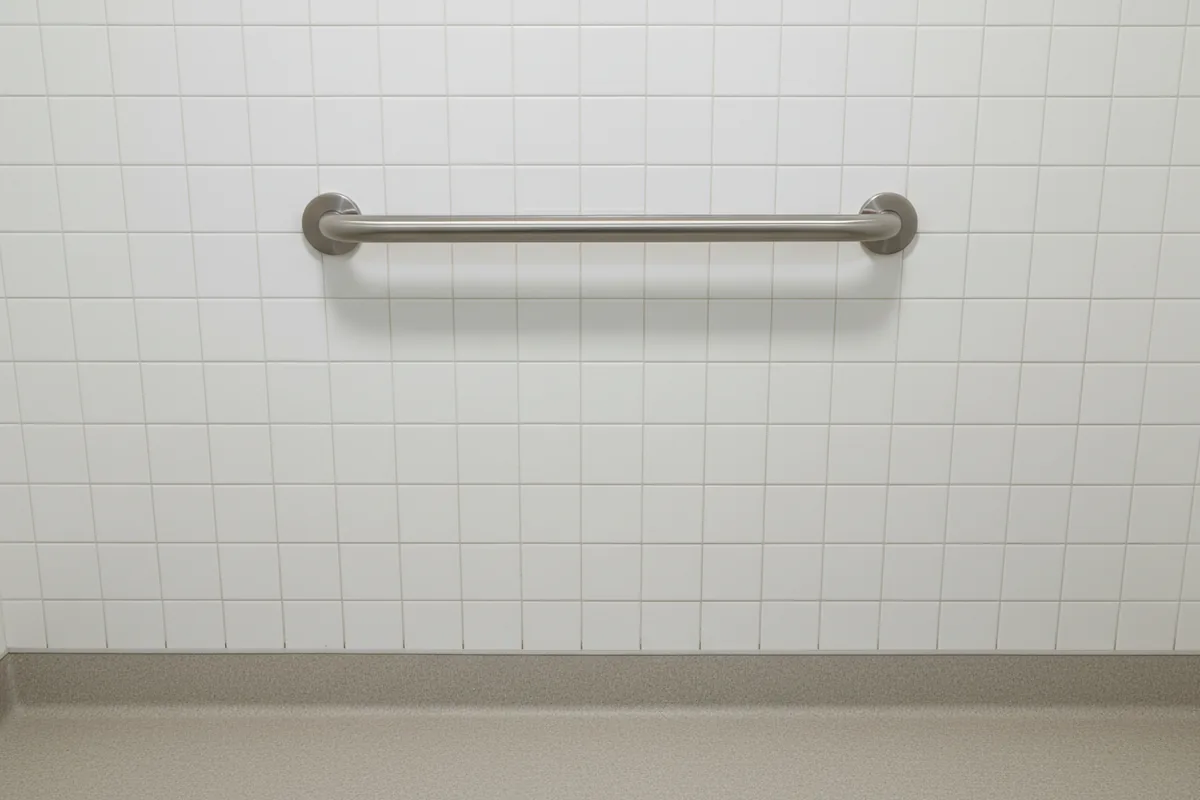
A chrome grab bar mounted on a care facility bathroom wall helps prevent resident falls.
Immediate answer

Federal rules require certified nursing homes to limit accident hazards and give each resident adequate supervision. A fall alone does not prove neglect.

On this page
  1. What Federal Regulations Require Nursing Homes to Do to Keep Your Loved One From Falling
  2. Bed Rails, Restraints, and the Alternatives-First Rule
  3. Why a Fall Can Change Your Loved One's Life: Older Adults Face Greater Risk
  4. The Records That Tell the Story of Your Loved One's Fall
  5. When a Fall May Point to Neglect — and When It May Not
  6. How State Law Shapes a Neglect Claim After a Fall
  7. Frequently asked questions
  8. Sources

If your loved one fell in a nursing home, federal rules required the facility to keep their surroundings as free of accident hazards as possible and to give them adequate supervision and assistance devices to prevent accidents. A fall does not prove neglect by itself. Whether the facility met that duty depends on the resident's assessment, care plan and the facts.

Most people facing a fall like this are holding two questions at once. One is whether the person they love will recover. The other is quieter and harder: could this have been prevented, and did the nursing home do what it was supposed to do? You may have received a short phone call, seen a bruise or a cast, and been told that falls simply happen at this age. This page explains what the law asks of a nursing home when it comes to falls, what records a fall tends to leave behind, and how to think about whether a fall points to neglect.

In plain words, the core idea is a duty of supervision: a certified nursing home must look at each resident's own risks and provide the watching, help and equipment that person needs to stay safe.

What Federal Regulations Require Nursing Homes to Do to Keep Your Loved One From Falling

The baseline rule sits in the federal quality-of-care regulation. Under 42 C.F.R. § 483.25(d), the facility must ensure that "the resident environment remains as free of accident hazards as is possible" and that "each resident receives adequate supervision and assistance devices to prevent accidents."

This regulation is part of the federal rules that nursing homes certified by Medicare and Medicaid must meet. Whatever state the facility is in, if it is a Medicare- or Medicaid-certified nursing home, this standard is the floor. The broader set of requirements is explained on our page about federal nursing home regulations.

The wording carries two separate duties. The first is about the place: floors, lighting, furniture, bathrooms and anything else in the resident's surroundings, kept as free of hazards as is possible. The second is about the person: supervision and assistance devices, such as walkers, wheelchairs or other aids, matched to what that resident needs.

The opening of the same section explains how "adequate" is measured. It says the facility must provide care based on its assessment of the resident and "in accordance with professional standards of practice, the comprehensive person-centered care plan, and the resident's choices." So the question is rarely whether the building had a general fall policy posted on a wall. The supervision this regulation contemplates is individual: what this resident, with this history, these medications and this level of strength, needed.

For a family, that distinction is where the real questions start. A resident who walked steadily may have needed little help. A resident who had grown unsteady, confused at night or weak after an illness may have needed much more. The regulation sets the duty. It does not say that a fall means the duty was broken. Whether the facility met it depends on what the resident's assessment showed, what the care plan said, and what actually happened.

Bed Rails, Restraints, and the Alternatives-First Rule

Bed rails often come up after a fall, and families are sometimes surprised to learn that the law treats them with caution rather than as a simple safety fix. Under 42 C.F.R. § 483.25(n), "the facility must attempt to use appropriate alternatives prior to installing a side or bed rail." If a rail is used, the facility "must ensure correct installation, use, and maintenance of bed rails, including but not limited to" four listed elements:

  • assessing the resident for risk of entrapment from bed rails before installation;
  • reviewing the risks and benefits of bed rails with the resident or resident representative and obtaining informed consent before installation;
  • ensuring that the bed's dimensions are appropriate for the resident's size and weight;
  • following the manufacturers' recommendations and specifications for installing and maintaining bed rails.

Because the list says "including but not limited to," those four elements are a starting point, not the whole duty.

The reason for the caution is in the regulation itself. It names the risk of entrapment, which means a resident becoming caught between a rail and the mattress or bed frame. A rail is a physical intervention with its own risks, not only a safety device. The rule cuts both ways: a facility may face questions about whether it should have done more to prevent a fall from bed, and also about whether a rail it chose was considered, consented to and managed the way the regulation describes.

If you are looking at a loved one's care plan, the alternatives-first rule gives a concrete thing to look for. The records would be expected to reflect whether alternatives were tried before a rail went on, whether an entrapment assessment was done, and whether the resident or their representative gave informed consent. Nothing in a care plan, by itself, shows that a particular rail setup caused a particular injury. That is a question of fact.

Why a Fall Can Change Your Loved One's Life: Older Adults Face Greater Risk

The medical backdrop helps explain why federal rules treat fall prevention so seriously. The National Library of Medicine's MedlinePlus page on falls says that "for older adults, falls can be especially serious." It explains that older adults "are at higher risk of falling" and "more likely to fracture (break) a bone when they fall, especially if they have osteoporosis." It adds that "a broken bone, especially when it is in a hip, may even lead to disability and a loss of independence for older adults."

If you are wondering what might have made your loved one fall, the same page names some common causes that families often recognize from a resident's history: balance problems, some medicines that can make a person dizzy, confused or slow, vision problems, muscle weakness, certain illnesses such as low blood pressure, diabetes and neuropathy, slow reflexes, and tripping or slipping.

Many of those causes are the kinds of things a nursing home learns about a resident when it assesses them. That is part of why the law ties supervision to the individual. A resident taking a medicine that causes dizziness, or living with neuropathy, may carry a different level of risk than the resident next door.

For a family, this context explains the stakes rather than the answer. A fall that would bruise a younger person can change an older resident's life. What families often weigh next is whether any of these risks appeared in the resident's assessment, and whether the care plan responded to them. Those questions lead directly to the facility's records, discussed below. This page does not give medical advice; hip fractures and head injuries are covered on their own pages on this site.

The Records That Tell the Story of Your Loved One's Fall

When a resident falls, the facility's own paperwork is usually where the clearest picture of what happened begins. The records that usually matter include the incident report, nursing notes, a review or update of the care plan, notice to the resident's physician, and notice to the family.

An incident report generally records the facility's account of the fall: when and where it happened, the resident's condition at the time, and any staff or other witnesses. It is the facility's version of events, written by the facility. That makes it important, and it also means it is one account rather than the final word.

Nursing notes tend to show the hours and days around the fall. They may describe how the resident was doing before, what staff observed afterward, and how the resident was checked. Read alongside the incident report, they can show whether the account stays consistent.

The care-plan update matters for a different reason. After a fall, the question is whether the facility reassessed the resident's fall risk and changed anything: more supervision, a different assistance device, a new approach at night. If nothing changed, that is a fact worth understanding. If something did change, the timing and content of that change may matter too.

Physician and family notifications show who was told, when, and what they were told. Families sometimes find that the notice they received was briefer than what the records describe.

Each of these records connects back to the federal duty under § 483.25(d). Together they can show what the facility knew about the resident's risk, what it planned to do, what it did, and how it responded. Our page on nursing home neglect explains how care records fit into the broader question of whether a facility met its duties.

When a Fall May Point to Neglect — and When It May Not

A fall does not prove neglect. That is true legally and clinically, and it is worth saying plainly because families often land on one of two opposite assumptions: that a fall automatically means the nursing home did something wrong, or that falls are simply part of aging and no one could be responsible. Neither is correct.

If you are trying to understand whether what happened was preventable, it helps to know what a neglect claim asks. Negligence in the legal sense generally has four parts: a duty, which is the care the facility owed; a breach, meaning the facility fell short of that duty; causation, meaning that shortfall caused the injury; and damages, meaning the resident or family suffered real harm. Whether each element is present depends on the facts of the resident's care, and the details of these elements come from state law.

The factual questions in a fall case usually come back to the resident as an individual. Was there a documented fall-risk assessment? Did the care plan address the risks that assessment found? Was the supervision the resident actually received consistent with the plan? If there had been an earlier fall, did the facility respond by reassessing and adjusting, or did things continue as before?

Clinical uncertainty is real. Some falls happen even when a facility has done everything the regulation requires. A resident may have the right to make choices about their own movement, and the regulation itself refers to "the resident's choices." A sudden medical event can also cause a fall that no supervision would have stopped. On the other side, a pattern of falls with no change in the care plan raises different questions than a single fall after careful planning.

None of this says whether any particular fall was or was not neglect. It describes how the question is examined. If a fall led to a death, the legal questions take a different shape, and our page on nursing home wrongful death explains how those claims work.

How State Law Shapes a Neglect Claim After a Fall

Federal regulation sets the duty a certified nursing home owes. State law governs the claim. That division shapes nearly everything a family will face after deciding to look into a fall: the time allowed, who may bring the claim, how fault is shared and what harm the law recognizes.

Limitation periods come first. A statute of limitations is the law that sets the period within which a lawsuit must be filed; once it runs, a claim can be barred. Each state sets its own periods, along with its own rules about when the period begins and what exceptions apply. No single number is the rule everywhere, and this page does not state one.

Fault rules differ too, and they matter if a facility argues that the resident's own actions played a part in the fall. Under comparative fault, responsibility is divided among those involved, and what the law allows is adjusted according to each one's share. Under contributory fault, an older and stricter rule, a person found partly at fault may be barred from recovery. States follow different versions of these approaches.

Damages rules also differ. If a family is asking what harm the law might recognize after a fall, the categories can include medical expenses and pain and suffering. Some states limit certain categories, and others do not. What the law allows depends on the state and on the facts.

Finally, wrongful death is a claim that certain family members or an estate may bring when someone dies because of another's wrongful conduct. Each state's wrongful-death statute decides who may bring the claim and what it covers.

For a family, the practical point is that the state where the facility is located usually decides these questions. Which state's rules apply, and what the timeline looks like there, is often the first thing families want to understand. A conversation with our attorney can help sort out how those state rules bear on a fall like your loved one's.

Free case evaluation

No Fee Unless We Win Your Case

A free case evaluation is how it starts. Tell us what happened, and we’ll help you understand your options. You pay no fee unless we win your case.

Nursing Home Abuse Advocates

How it works

  1. Call us or request a free case evaluationTell us what happened, in your own words.
  2. Talk through your caseYour options, and what your case may be worth.
  3. No fee unless we winYou pay no attorney fee unless we win your case.
Free case evaluation

Tell Us What Happened

Frequently asked questions

What does federal law require a nursing home to do to prevent falls?

Under 42 C.F.R. § 483.25(d), a certified nursing home must ensure the resident environment remains as free of accident hazards as is possible and that each resident receives adequate supervision and assistance devices to prevent accidents. The rule applies to Medicare- and Medicaid-certified facilities, and the supervision is tied to each resident's own assessment and care plan.

Does a fall in a nursing home automatically mean the facility was negligent?

No. A fall does not by itself prove negligence. A claim generally requires a duty, a breach of that duty, causation and damages, and whether each is present depends on the facts of the resident's care. Some falls happen even when a facility has met its regulatory obligations.

What records does a nursing home create after a resident falls?

The records that usually matter include an incident report, nursing notes, a care-plan review, physician notification and family notification. Together they can show what the facility knew, what it did, and whether its response matched the resident's care plan and the federal standard.

What is the federal rule about bed rails in nursing homes?

Under 42 C.F.R. § 483.25(n), a facility must attempt appropriate alternatives before installing a bed rail. If a rail is used, it must be correctly installed, used and maintained, including an entrapment assessment, informed consent, a bed sized for the resident, and the manufacturer's specifications. Rails carry their own risks.

Why are falls especially serious for nursing home residents?

MedlinePlus says older adults are at higher risk of falling and more likely to break a bone when they fall. It adds that a broken bone, especially in a hip, may lead to disability and a loss of independence. That is part of why federal rules treat fall prevention seriously.

How does state law affect a nursing home fall injury claim?

Federal regulations set the baseline duty, but state law governs the claim. States differ on limitation periods, fault rules, damages and wrongful-death rights. Which state's law applies usually depends on where the facility is located, and no single state's rule applies everywhere.

What is a statute of limitations in a nursing home fall case?

A statute of limitations is the period within which a lawsuit must be filed. Each state sets its own period, its own starting point and its own exceptions, and a claim filed after the period runs can be barred entirely. This page does not state any specific period.

What facts does a legal evaluation of a nursing home fall examine?

The questions usually include whether the resident had a documented fall-risk assessment, whether the care plan addressed that risk, whether supervision matched the plan, and whether the facility responded adequately to any earlier fall.

Sources

Statutes, regulations and court sources

  1. 0142 C.F.R. § 483.25 — Quality of care (eCFR) · Electronic Code of Federal Regulations

Other sources

  1. 02Falls — MedlinePlus, U.S. National Library of Medicine · medlineplus.gov