
Skip to content

Types of Nursing Home Abuse: What the Law Recognizes and What Families Should Know

National · laws differ by state · Updated November 10, 2026

Information only — not legal or medical advice

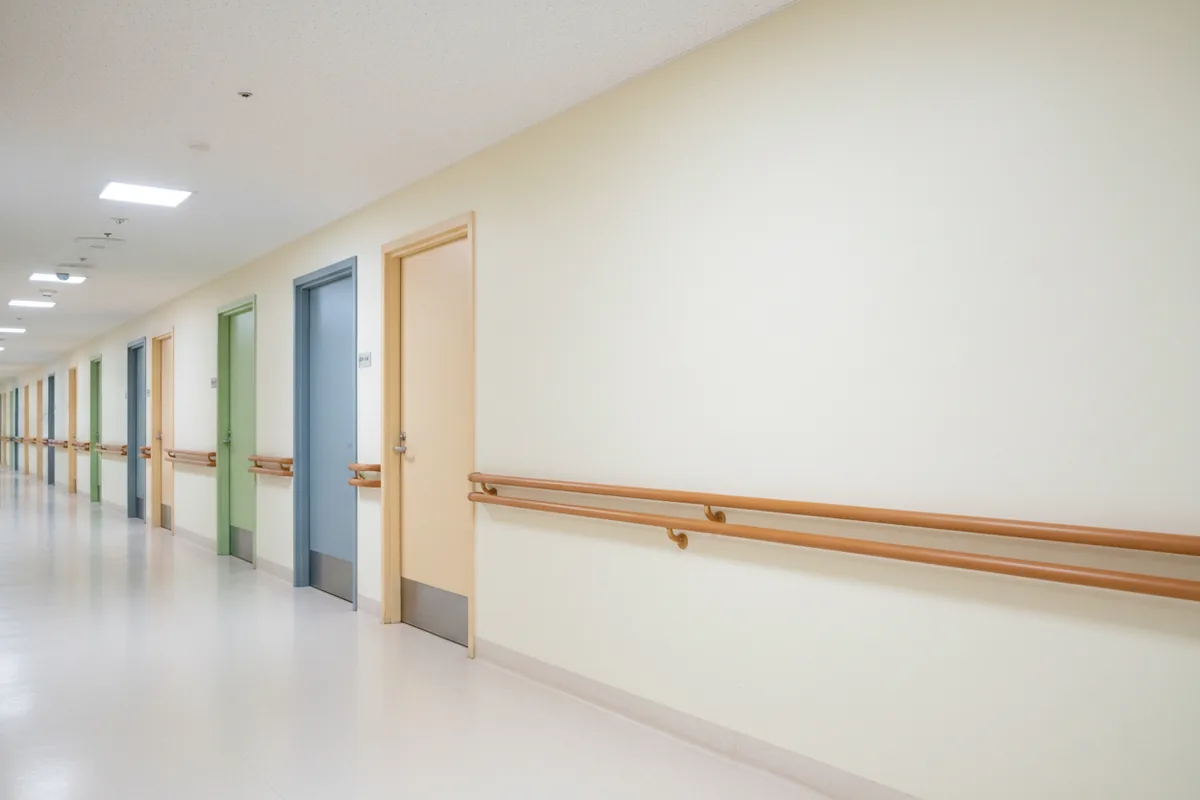
Closed doors line a quiet nursing home corridor where residents live privately.
Immediate answer

Federal rules name physical, verbal, mental and sexual abuse, plus neglect, exploitation and misappropriation. See how each is defined for nursing home residents.

On this page
  1. How Federal Law Defines Nursing Home Abuse
  2. Physical Abuse
  3. Emotional and Verbal Abuse
  4. Sexual Abuse
  5. Neglect: When a Facility Fails to Meet Basic Needs
  6. Financial Exploitation and Misappropriation of Resident Property
  7. What Families Often Notice — and Why Documentation Matters
  8. How Legal Claims for Nursing Home Abuse Work — and How States Differ
  9. Frequently asked questions
  10. Sources

If you are worried that someone you love is being mistreated in a nursing home, federal rules recognize several types of harm. These are physical, verbal, mental and sexual abuse, plus neglect, exploitation and misappropriation of a resident's money or belongings. Each type is defined by the conduct involved. None requires proof that anyone meant to cause harm.

Most people facing this question have already seen something that bothers them. It might be a bruise no one explains, a parent who has gone quiet, missing cash, or a sore that keeps getting worse. They are trying to put a name to it and to learn whether the law treats it as mistreatment. This page walks through each type in plain words, one short section at a time. It then covers what records tend to matter and how state law shapes any legal claim. Each type also has its own fuller page on this site.

How Federal Law Defines Nursing Home Abuse

The federal definitions come from 42 C.F.R. § 483.5. That regulation sets out the definitions for the long-term care rules that apply to skilled nursing facilities in Medicare and nursing facilities in Medicaid. Those certified facilities are the places most families mean when they say "nursing home." The broader framework those facilities operate under is covered in our guide to federal nursing home regulations.

The regulation defines abuse in its own words:

"Abuse is the willful infliction of injury, unreasonable confinement, intimidation, or punishment with resulting physical harm, pain or mental anguish. Abuse also includes the deprivation by an individual, including a caretaker, of goods or services that are necessary to attain or maintain physical, mental, and psychosocial well-being."

It adds that abuse "includes verbal abuse, sexual abuse, physical abuse, and mental abuse including abuse facilitated or enabled through the use of technology." It also states that "Instances of abuse of all residents, irrespective of any mental or physical condition, cause physical harm, pain or mental anguish."

The word "willful" carries a narrow meaning here. The regulation says it "means the individual must have acted deliberately, not that the individual must have intended to inflict injury or harm." For a family, that distinction matters. A staff member who says "I never meant to hurt her" has not stepped outside the definition. The question is whether the act itself was deliberate.

The same section also defines neglect, exploitation, misappropriation of resident property and sexual abuse. It defines mistreatment as "inappropriate treatment or exploitation of a resident." The sections below take each of these in turn.

Physical Abuse

Physical abuse falls within the federal definition of abuse in 42 C.F.R. § 483.5. That definition centers on the willful infliction of injury, unreasonable confinement or punishment that results in physical harm, pain or mental anguish. The regulation lists physical abuse as one form of abuse but does not give its own list of examples.

The National Institute on Aging's elder abuse page gives a plain description. Physical abuse "happens when someone causes bodily harm; for example, by hitting, pushing, or slapping." The page adds that it "may also include restraining an older adult against their will, such as by locking them in a room or tying them to furniture." That description connects to the federal phrase "unreasonable confinement."

Among possible signs, the NIA lists "unexplained pressure marks, bruises, burns, cuts, or scars." A mark, however, is not an explanation. Older skin bruises easily, and some residents fall or bump into things. Medications and medical conditions can also play a role. An injury alone does not show that anyone acted deliberately. It does not prove that a facility was careless either. If you are looking at a bruise and a vague answer from staff, what matters is how and when it happened, who was there, and what the chart records.

Emotional and Verbal Abuse

Verbal abuse and mental abuse are named separately in 42 C.F.R. § 483.5, and both are forms of abuse under its definition. The definition's reference to "intimidation" and to harm that includes "mental anguish" makes clear that abuse need not leave a physical mark. The regulation also reaches mental abuse "facilitated or enabled through the use of technology." That language could cover, for example, a photo or recording taken of a resident.

The NIA describes emotional abuse, "sometimes called psychological abuse," as something that "can include a caregiver saying hurtful words, yelling, threatening, or repeatedly ignoring the older adult." It adds that "Keeping that person from seeing close friends and relatives is another form of emotional abuse." Signs the NIA lists include a resident who becomes "withdrawn or act[s] agitated or violent," or who shows "signs of trauma such as rocking back and forth."

This kind of harm is often the hardest to document. There may be no bruise, no photo and no witness who will speak up. If a parent tells you an aide shouts at them or threatens them, it can be tempting to wonder whether they misheard. The federal rule's statement that abuse harms "all residents, irrespective of any mental or physical condition" matters here. A resident's memory problems do not take them outside the regulation's protection. Families often write down what a resident said, when, and about whom, because those details can fade.

Sexual Abuse

Sexual abuse has its own definition in 42 C.F.R. § 483.5: "Sexual abuse is non-consensual sexual contact of any type with a resident." The definition turns on consent, and the words "of any type" make it broad. It is also listed as one form of abuse within the general definition.

The NIA describes sexual abuse as "forcing an older adult to watch or be part of sexual acts." MedlinePlus, on its elder abuse page, lists sexual abuse among the forms elder mistreatment may take.

For families of a resident with dementia, this is often the most painful possibility to consider. The NIA notes that people with "memory problems, or dementia may be more vulnerable to abuse." A resident may not be able to describe what happened, or may not be believed when they try. Families sometimes notice a change before they hear any account. That might be a new fear of a certain person or room, or physical symptoms no one explains. Those changes can have many causes. Whether contact occurred, and whether it was consensual, are questions of fact that the medical records, facility records and any investigation bear on.

Neglect: When a Facility Fails to Meet Basic Needs

Under 42 C.F.R. § 483.5, neglect "is the failure of the facility, its employees or service providers to provide goods and services to a resident that are necessary to avoid physical harm, pain, mental anguish, or emotional distress." The definition is written as a failure to provide, not as a deliberate act. That is one way it differs from abuse.

The NIA says neglect "occurs when the caregiver does not try to respond to the older adult's needs." It "may include ignoring physical, emotional, and social needs, or withholding food, medications, or access to health care." The NIA lists bedsores among "preventable conditions" that can be a sign. It also lists unclean living conditions, poor hygiene and missing items such as "glasses, a walker, dentures, or hearing aid." MedlinePlus names "bed sores and poor hygiene" among possible signs as well.

A possible sign is not proof. Bedsores, falls, weight loss and infections can happen even with good care. Some residents are frail enough that a facility cannot prevent every decline. Whether a given outcome reflects a failure to provide necessary goods and services depends on the resident's condition and care plan. It also depends on what staff did and when. Our pages on nursing home neglect, bedsores and pressure injuries and nursing home fall injuries go deeper on these questions.

If a facility has told you a wound or a fall was "expected," that explanation may be accurate, or it may not be. The care records, wound notes and staffing on the shifts in question are usually where that question gets answered.

Financial Exploitation and Misappropriation of Resident Property

The federal rule treats money-related harm as two separate concepts. Under 42 C.F.R. § 483.5, exploitation "means taking advantage of a resident for personal gain through the use of manipulation, intimidation, threats, or coercion." Misappropriation of resident property "means the deliberate misplacement, exploitation, or wrongful, temporary, or permanent use of a resident's belongings or money without the resident's consent."

The difference is worth noticing. Exploitation focuses on how someone takes advantage of a resident, through pressure or deceit. Misappropriation focuses on a resident's belongings or money being used without consent. The use can be temporary as well as permanent.

The NIA says financial abuse "happens when money or belongings are misused or stolen from an older adult." It lists examples including "forging checks, taking someone else's retirement or Social Security benefits," "using a person's credit cards and bank accounts without their permission," and "changing names on a will, bank account, life insurance policy, or title to a house without permission." Among signs, it lists "sudden and unexpected financial losses or unpaid bills despite having adequate financial resources."

If you have noticed missing jewelry, odd account activity or a resident suddenly short of money, the federal definitions help frame what may have happened. Who had access, and when, is usually the next question.

What Families Often Notice — and Why Documentation Matters

You may be the person who visits most often, and the one who senses something is off before anyone says a word. The NIA describes this directly: "You may see signs of abuse or neglect when you visit an older adult at home or in a residential facility." It advises watching "for a pattern that might suggest a problem." There is often a gap between what a family sees and what can later be shown. Records are what close it.

The records that usually matter include the resident's medical chart and care plan, wound and nursing notes, and medication records. Facility incident reports also count. So do dated photographs of injuries, conditions or the room. Families often keep notes of what the resident said and when they said it, along with the names of staff, other residents or visitors who were present. Where money is involved, bank and account statements and a list of missing items tend to matter. Our page on assisted living abuse explains how the rules differ in assisted living, which states regulate rather than the federal nursing home rules.

No single record settles anything by itself. A photo shows a mark, not its cause. An incident report gives the facility's account. A chart may be complete or may have gaps. The significance of any record depends on the facts and on what the other records show.

When you are holding a stack of papers and are unsure what any of it means, a conversation can help you sort out which records relate to which concern. If you would like to talk it through, you can request a case evaluation.

Federal rules define the conduct. State law largely decides what a family can do about it in court. 42 C.F.R. § 483.5 tells you what certified facilities' rules mean by abuse, neglect and exploitation. Whether a particular set of facts supports a civil claim, who may bring it, and what may be recovered are generally questions for the law of the state involved.

Those rules differ from state to state. Limitation periods differ. A limitation period, or statute of limitations, is the deadline for filing a lawsuit. When the clock starts and what exceptions apply differ as well. Fault rules differ, as do the categories of damages the law may allow and any limits on them. Some states treat certain claims against care facilities differently from ordinary injury claims. No single state's rule applies everywhere. Missing a deadline can affect a family's options, which is why the applicable state's statute matters so much.

Claims of this kind generally ask whether the facility owed a duty of care, whether it breached that duty, whether the breach caused the harm, and what harm resulted. Whether those elements are met depends on the facts. Where a resident has died, wrongful-death rules come into play. A wrongful-death claim is one brought by family members or an estate after a death. Those rules also vary, as our nursing home wrongful death guide describes.

A discussion with our attorney can cover the state where the facility is located, the dates involved, and how that state's deadlines and damages rules may bear on the situation.

Free case evaluation

No Fee Unless We Win Your Case

A free case evaluation is how it starts. Tell us what happened, and we’ll help you understand your options. You pay no fee unless we win your case.

Nursing Home Abuse Advocates

How it works

  1. Call us or request a free case evaluationTell us what happened, in your own words.
  2. Talk through your caseYour options, and what your case may be worth.
  3. No fee unless we winYou pay no attorney fee unless we win your case.
Free case evaluation

Tell Us What Happened

Frequently asked questions

What are the main types of nursing home abuse recognized under federal law?

42 C.F.R. § 483.5 defines abuse, which includes verbal, sexual, physical and mental abuse. It separately defines neglect, exploitation, misappropriation of resident property, mistreatment and sexual abuse. Each is defined by the conduct involved, and each is covered in its own section above.

What does "willful" mean in the federal definition of nursing home abuse?

It means the person acted deliberately. The regulation says it does not mean "that the individual must have intended to inflict injury or harm." A deliberate act can meet the definition even if the person says they meant no harm.

Is neglect the same as abuse in a nursing home?

No. Federal rules define them separately. Abuse is built on willful conduct. Neglect is defined as a failure of the facility, its employees or service providers to provide goods and services necessary to avoid physical harm, pain, mental anguish or emotional distress.

Can a nursing home resident with dementia be a victim of sexual abuse?

Yes. The federal definition covers "non-consensual sexual contact of any type with a resident." The regulation also states that abuse harms all residents "irrespective of any mental or physical condition." Cognitive impairment does not remove a resident from these protections.

What is the difference between exploitation and misappropriation of resident property?

Exploitation is taking advantage of a resident for personal gain through manipulation, intimidation, threats or coercion. Misappropriation is the deliberate misplacement, exploitation, or wrongful temporary or permanent use of a resident's money or belongings without consent. The two can occur together.

Do pressure sores or falls in a nursing home automatically mean the facility was negligent?

No. Pressure injuries and falls can happen even with appropriate care. Whether a facility failed to provide necessary care depends on the resident's condition, the care plan, what staff did, and the records. These questions turn on the specific facts.

What kinds of records tend to matter in a nursing home abuse case?

Medical records, care plans, facility incident reports, dated photographs and the names of witnesses tend to matter. Account statements matter where money is involved. What any one record shows depends on the facts and on how it fits with the other records.

Sources

Statutes, regulations and court sources

  1. 0142 C.F.R. § 483.5 — Definitions (eCFR) · Electronic Code of Federal Regulations

Other sources

  1. 02Elder Abuse — National Institute on Aging · nia.nih.gov
  2. 03Elder Abuse — MedlinePlus, U.S. National Library of Medicine · medlineplus.gov