Skip to content

Head and Brain Injuries in Nursing Homes: What Families Should Know

National · laws differ by state · Updated November 11, 2026

Information only — not legal or medical advice

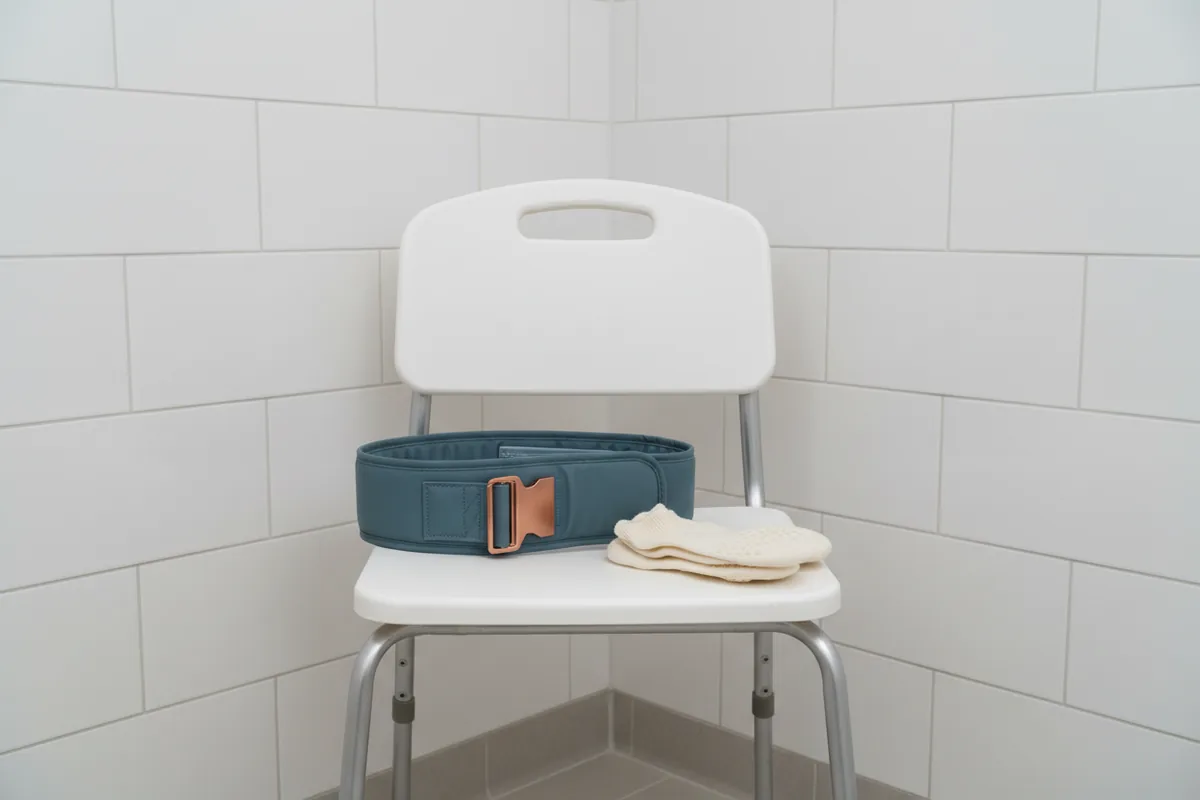
A shower chair with a transfer belt sits in a care facility bathroom.
Immediate answer

How head and brain injuries happen to nursing home residents, what 42 C.F.R. § 483.25(d) and § 483.12(c) require, the records that follow, and what a claim must show.

On this page
  1. What a Traumatic Brain Injury Is, and Why It Matters for an Older Resident
  2. How a Resident Can End Up With a Head Injury
  3. What the Facility Was Required to Do for Your Family Member
  4. Records That Can Show What Happened After a Head Injury
  5. When a Head Injury Can Support a Legal Claim
  6. Questions Families Often Ask Before Deciding How to Proceed
  7. Frequently asked questions
  8. Sources

When a nursing home resident hits their head in a fall, during rough handling or in an assault, the injury can damage the brain even when little shows on the outside. Federal rules require certified nursing homes to supervise residents to prevent accidents and to report and investigate injuries of unknown source. A head injury alone does not prove abuse or neglect.

If you are reading this, someone you love may have been sent to the hospital after a call from the nursing home, or you may have walked into their room and found a bruise on their forehead that nobody could explain. Most people facing that moment are trying to piece together a story they were not there to see: what happened, whether the staff did what they were supposed to do, and what the paperwork will show. This page walks through what a brain injury is, how these injuries happen in a nursing home, what federal regulations require of the facility, the records that follow, and what the law asks before anyone can be held responsible.

What a Traumatic Brain Injury Is, and Why It Matters for an Older Resident

MedlinePlus, the health information service of the U.S. National Library of Medicine, defines a traumatic brain injury as "a sudden injury that causes damage to the brain." It "may happen when there is a blow, bump, or jolt to the head," which MedlinePlus calls a closed head injury. A brain injury can also happen when an object penetrates the skull, which is a penetrating injury.

MedlinePlus describes symptoms as mild, moderate or severe. Concussions are a type of mild brain injury, and most people recover completely in time, though the effects can sometimes be serious. The symptoms of a mild injury can include a brief loss of consciousness in some cases, headache, confusion, dizziness, lightheadedness, blurred vision, ringing in the ears, fatigue, changes in sleep, mood or behavior changes, and trouble with memory, concentration or thinking. MedlinePlus notes that many people with a mild injury stay conscious.

A moderate or severe injury may bring those same symptoms and others, including a headache that gets worse or does not go away, repeated vomiting or nausea, seizures, not being able to wake up from sleep, a widened pupil in one or both eyes, slurred speech, weakness or numbness in the arms and legs, loss of coordination, and increasing confusion, restlessness or agitation. MedlinePlus says more severe injuries can lead to serious physical and psychological symptoms, coma and even death.

The harm can reach past the injury itself. MedlinePlus states that some people with a brain injury may have permanent disabilities, and that a brain injury can raise the risk of other health problems such as anxiety, depression and post-traumatic stress disorder.

MedlinePlus also states that adults aged 65 and older are at the greatest risk for being hospitalized and dying from a brain injury. That is part of why a head injury to an older resident is taken seriously, and why the medical record after it carries so much weight. None of these symptoms, on their own, tells anyone how the injury happened or who was responsible.

How a Resident Can End Up With a Head Injury

Falls come first. MedlinePlus identifies falls as the most common cause of closed head injuries in adults aged 65 and older. In a nursing home, a fall can happen getting out of bed, sliding from a wheelchair, or moving to and from the bathroom, and the head can strike a floor, a bed frame or a piece of furniture. Our page on nursing home fall injuries covers falls in more detail.

Rough handling is a second path. Many residents depend on staff for transfers from bed to chair, repositioning, bathing, dressing and toileting. A transfer done too fast, without enough help or without the right equipment can end with a resident's head striking something.

Assault is a third. MedlinePlus lists being struck by an object among the common causes of closed head injuries. In a nursing home, a blow can come from a staff member or from another resident. Federal rules name physical abuse as one of several types of nursing home abuse.

What sets these injuries apart is that the person hurt often cannot explain what happened. Many residents live with dementia or other cognitive impairment, and some cannot speak at all. A resident may be found on the floor with no one having seen the fall, or may show a swelling that no staff member recorded. The cause may not be clear to anyone, including the staff.

Federal law anticipates this. It treats an "injury of unknown source" as something the facility must report and investigate, which the next section explains. A fall, a bruise or a head wound does not, by itself, show that anyone was careless. Residents can fall even with good care, and the question of what happened is one the facts have to answer.

What the Facility Was Required to Do for Your Family Member

Two federal regulations set the standard most directly. They are part of 42 C.F.R. Part 483, the requirements Medicare and Medicaid place on certified nursing homes across the country, which our guide to federal nursing home regulations describes more broadly.

Preventing accidents. Under 42 C.F.R. § 483.25(d), "The facility must ensure that— (1) The resident environment remains as free of accident hazards as is possible; and (2) Each resident receives adequate supervision and assistance devices to prevent accidents." The same section's broader rule is that, based on each resident's comprehensive assessment, care must follow professional standards of practice, the resident's person-centered care plan and the resident's choices. A separate subsection of that section, 42 C.F.R. § 483.25(n), addresses bed rails: the facility must attempt to use appropriate alternatives before installing a side or bed rail, and if one is used, must assess the resident for risk of entrapment before installation, among other steps. In plain terms, the question for a family is whether the supervision and equipment the resident actually received matched what their assessment called for.

The second is the reporting rule. Under 42 C.F.R. § 483.12(c), when there are allegations of abuse, neglect, exploitation or mistreatment, the facility must ensure that all alleged violations, "including injuries of unknown source," are reported to the administrator and to other officials, including the State Survey Agency and adult protective services where state law gives them jurisdiction in long-term care facilities. The report is due immediately, and no later than 2 hours after the allegation is made if the events involve abuse or result in serious bodily injury, or no later than 24 hours if they involve neither. The facility must also have evidence that every alleged violation was thoroughly investigated, prevent further potential abuse or neglect while the investigation is underway, and report the results to the administrator or a designee and to other officials, including the State Survey Agency, within 5 working days of the incident. If the alleged violation is verified, appropriate corrective action must be taken.

For a family, these rules describe the standard the facility is held to, and they create a paper trail. An unexplained head injury is not supposed to be quietly charted and forgotten. If a report was made late, never made, or never followed by an investigation, that gap is the kind of detail that may matter when an attorney reviews the file.

Still, a regulation's requirement is not the same as a finding of fault. Whether a facility met these standards in a particular case depends on the resident's assessment, the care plan, what the staff knew and did, and what actually happened.

Records That Can Show What Happened After a Head Injury

Paper is usually where a family's understanding of a head injury begins. The reporting and investigation duties in 42 C.F.R. § 483.12(c) mean that an alleged violation or an injury of unknown source should leave behind reports to the administrator and outside officials, evidence of an investigation, and a report of its results.

Other records often exist alongside those. Nursing notes can show when the resident was last checked, how they were found, and their condition in the hours after. Physician orders can show what tests or monitoring were ordered. Care plans and assessments can show what fall risk or supervision needs had been identified before the injury. If the resident was sent to a hospital, the emergency and hospital records may describe the injury, the imaging done and the diagnosis. MedlinePlus notes that diagnosis can involve a neurologic exam and imaging tests such as a CT scan or MRI. Records of when the family and the physician were told may also matter, because the timing can say something about how the injury was handled.

Families trying to understand what happened often gather the resident's medical records, any incident report they can obtain, photos of visible injuries, the names of staff and visitors who were present, and their own notes of what they were told and when. Our page on getting nursing home medical records touches on how neglect cases rely on these documents.

Two cautions apply. First, much of this record is written by the facility itself, so it reflects the facility's own account. Second, what is missing can be as telling as what is there: a gap in nursing notes, a time that does not line up with the hospital chart, or an incident report that describes a different injury than the X-ray shows. Gaps and inconsistencies still have to be explained by the facts before they mean anything legally.

Most head injury claims against a nursing home are negligence claims, meaning the facility is said to have failed to use reasonable care. Such a claim generally rests on four elements. Duty means the facility owed the resident an obligation of care. Breach means the facility failed to meet that obligation. Causation means that failure actually caused the injury. Damages means the resident suffered harm as a result, such as medical expenses, pain and suffering, or other losses the state's law recognizes.

Causation is often the hardest question in a brain injury case. A resident may have had falls, illnesses or cognitive decline before the injury, and connecting a specific lapse in supervision or handling to a specific injury can depend on medical records and medical opinion. For a family, this means that a serious injury, even one with troubling records, may or may not support a claim depending on how clearly the medical evidence links it to what the staff did or failed to do. More on how these cases are structured appears on our nursing home abuse lawyer page.

State law governs these claims, and the rules differ from state to state. Each state sets its own statute of limitations, the deadline by which a lawsuit must be filed, along with its own rules on when that deadline starts to run and what may pause it. Fault rules and damages rules differ too.

Where a resident dies, a separate legal framework usually applies. A wrongful death claim is brought on behalf of family members or the estate after a death caused by another's wrongful conduct. Who may bring it, what it may recover and how long there is to file all vary by state, as our page on nursing home wrongful death explains.

Questions Families Often Ask Before Deciding How to Proceed

After the hospital visits and the phone calls, many families find themselves holding a stack of records and more questions than answers. A few questions tend to shape everything else.

What do the incident report and the nursing notes say happened, and do they agree with each other? Was the injury reported and investigated as 42 C.F.R. § 483.12(c) requires, and was there a report of results? Does the facility's account match the hospital records, including the type and location of the injury? Had the resident's assessment or care plan identified a fall risk, a need for help with transfers, or a history of conflict with another resident before this happened?

Timing is also part of the picture. State law sets the deadline for filing a claim, and missing it typically bars the claim. The deadline, when it starts and any exceptions depend on the state where the facility is located, so no general page can say how it applies to any one family.

A conversation with an attorney can help a family work through what the regulatory record shows, how the causation question looks in light of the medical history, and which state's law may apply. Families who would like to talk through the records they have can request a case evaluation.

Not every head injury in a nursing home gives rise to a legal claim. Some injuries happen despite reasonable care, and whether a particular injury supports a claim depends on the specific facts.

Free case evaluation

No Fee Unless We Win Your Case

A free case evaluation is how it starts. Tell us what happened, and we’ll help you understand your options. You pay no fee unless we win your case.

Nursing Home Abuse Advocates

How it works

  1. Call us or request a free case evaluationTell us what happened, in your own words.
  2. Talk through your caseYour options, and what your case may be worth.
  3. No fee unless we winYou pay no attorney fee unless we win your case.
Free case evaluation

Tell Us What Happened

Frequently asked questions

What is a traumatic brain injury?

MedlinePlus describes a traumatic brain injury as a sudden injury that causes damage to the brain. It may happen from a blow, bump or jolt to the head, or when an object penetrates the skull. Symptoms can be mild, moderate or severe; concussions are a type of mild brain injury.

What symptoms of head trauma should a family watch for after a nursing home fall?

MedlinePlus lists symptoms of mild injury including headache, confusion, dizziness, memory or thinking problems, sleep changes and, in some cases, brief loss of consciousness. More serious injuries may add a worsening headache, repeated vomiting, seizures, slurred speech, weakness in the limbs, or not being able to wake up from sleep.

Can a traumatic brain injury cause complications outside the brain?

Yes. MedlinePlus states that some people with a brain injury may have permanent disabilities, and that the injury can raise the risk of other health problems such as anxiety, depression and post-traumatic stress disorder. More severe injuries can lead to coma and even death.

What does federal law require a nursing home to do after a resident suffers a head injury?

Under 42 C.F.R. § 483.25(d), the facility must keep the environment as free of accident hazards as possible and give each resident adequate supervision and assistance devices. Under 42 C.F.R. § 483.12(c), alleged violations, including injuries of unknown source, must be reported, investigated and followed up. A failure does not automatically establish liability.

What is an "injury of unknown source" under nursing home regulations?

It is a category that 42 C.F.R. § 483.12(c) expressly includes among the alleged violations a facility must report and investigate. It matters because many residents cannot describe what happened to them. The label describes a reporting duty; it does not point to any particular cause.

What records does a nursing home typically generate after a head injury?

Records often include incident reports, investigation records and reports of results under 42 C.F.R. § 483.12(c), nursing notes, physician orders, care plans and records of family notification. Families trying to understand what happened often gather these along with hospital records if the resident was transferred.

Does a head injury in a nursing home prove the facility was negligent?

No. A head injury does not by itself establish negligence. A claim generally has to show duty, breach, causation and damages, and whether those elements are met depends on the specific facts, including the resident's assessment, care plan and medical history.

How do limitation periods for nursing home injury claims work, and do they differ by state?

A statute of limitations is the deadline by which a lawsuit must be filed, and missing it typically bars the claim. Each state sets its own deadline, its own rule on when it starts to run and its own exceptions, so the rules differ from state to state.

Sources

Statutes, regulations and court sources

  1. 0142 C.F.R. § 483.25, Quality of care (eCFR) · Electronic Code of Federal Regulations
  2. 0242 C.F.R. § 483.12, Freedom from abuse, neglect, and exploitation (eCFR) · Electronic Code of Federal Regulations

Other sources

  1. 03Traumatic Brain Injury (MedlinePlus, U.S. National Library of Medicine) · medlineplus.gov